
Trade & Tariffs
The China trade war, steel tariffs, USMCA, and the unprecedented 2025 tariff escalation.
Overview
Trade policy has been one of the most distinctive and consequential aspects of the Trump presidencies. Breaking with decades of bipartisan consensus favoring free trade, both terms have been characterized by aggressive use of tariffs as a primary tool of economic and foreign policy. The administration's approach represents a fundamental shift toward economic nationalism, using trade barriers to protect domestic industries, reduce trade deficits, and exert geopolitical leverage.
The scale of tariff action has escalated dramatically between the first and second terms. What began as targeted tariffs on steel, aluminum, and Chinese goods in 2018 has evolved into a sweeping "reciprocal tariff" regime in 2025 that has pushed average U.S. tariff rates to levels not seen since the 1940s.
First Term (2017–2021)
The first term's trade policy centered on confronting China and renegotiating existing trade agreements. In March 2018, the administration imposed 25% tariffs on steel imports and 10% tariffs on aluminum imports, citing national security concerns under Section 232 of the Trade Expansion Act. These tariffs affected allies and adversaries alike, straining relationships with Canada, the European Union, and Japan.
The U.S.-China trade war escalated through 2018 and 2019, with the administration imposing tariffs on approximately $370 billion worth of Chinese goods. China retaliated with tariffs on U.S. agricultural products, energy, and manufactured goods. The conflict culminated in the "Phase One" trade agreement signed in January 2020, which required China to purchase an additional $200 billion in U.S. goods and services — a target China ultimately failed to meet.
On the multilateral front, the administration withdrew from the Trans-Pacific Partnership (TPP) on its first day in office and renegotiated NAFTA into the United States-Mexico-Canada Agreement (USMCA), which included updated provisions on digital trade, labor standards, and automotive rules of origin. The USMCA was signed in November 2018 and took effect on July 1, 2020.
Second Term (2025–Present)
The second term has seen a dramatic escalation of tariff policy. The administration introduced a "reciprocal tariff" framework, imposing tariffs designed to mirror the rates other countries charge on U.S. goods. By early 2025, average U.S. tariff duties had risen from 2.4% to an 80-year high of 9.6%.
The confrontation with China reached new extremes, with the U.S. imposing tariffs of 145% on Chinese goods — far exceeding the 25% rates of the first term. China retaliated with 125% tariffs on American goods, creating a near-complete trade barrier between the world's two largest economies.
Tariff revenue in 2025 reached $264 billion, more than triple the revenue collected in 2024. However, economic analyses indicate that approximately 90% of tariff costs have been passed through to U.S. importers rather than being absorbed by foreign exporters, raising significant concerns about consumer price impacts.
What Supporters Say
Proponents argue that tariffs are necessary to correct decades of unfair trade practices, particularly by China. They contend that previous free-trade policies hollowed out American manufacturing, eliminated millions of jobs, and created dangerous dependencies on foreign supply chains. Supporters view tariffs as leverage to force better trade deals and as protection for strategic industries essential to national security.
Advocates point to the USMCA as evidence that tough negotiating tactics produce results, and argue that tariff revenue provides a significant new income stream for the federal government that could reduce reliance on income taxes.
What Critics Say
Critics argue that tariffs function as a regressive tax on American consumers and businesses, raising prices on everything from electronics to groceries. They point to economic research showing that the vast majority of tariff costs are borne by domestic importers and ultimately passed to consumers, not absorbed by foreign exporters.
Opponents warn that escalating trade wars damage the global economy, disrupt supply chains, and invite retaliation that harms American exporters — particularly farmers and manufacturers. They argue that the approach has failed to meaningfully reduce the trade deficit, which actually increased during the first term, and that unilateral action undermines the rules-based international trading system.
Key Facts & Figures
- 01Average U.S. tariff duties rose from 2.4% to an 80-year high of 9.6% in 2025.
- 02The U.S. imposed 145% tariffs on Chinese goods in 2025; China retaliated with 125% tariffs on American goods.
- 03Tariff revenue reached $264 billion in 2025, more than triple the 2024 figure.
- 04An estimated 90% of tariff costs were passed through to U.S. importers, with foreign exporters absorbing only about 10%.
- 05The "Phase One" deal required China to purchase $200 billion in additional U.S. goods — a target it failed to meet.
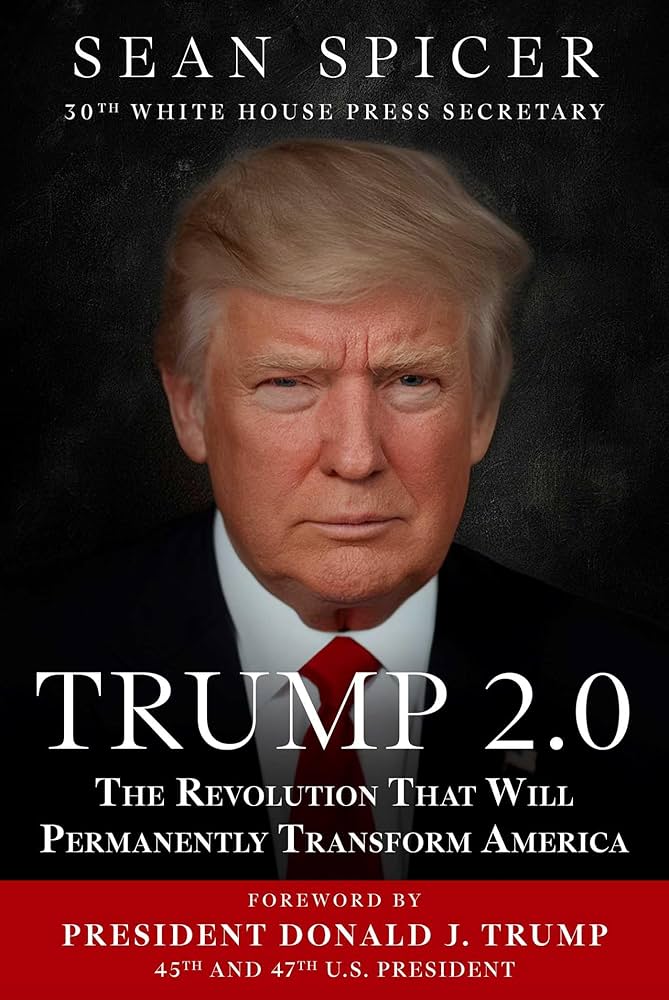
Want the full insider perspective?
Sean Spicer's Trump 2.0 provides a detailed look at the people and policies shaping this administration. With a foreword by President Trump himself, it covers the topics discussed on this page and much more.
Get the Book on Amazon(paid link)